Historic centre
Ciutat Vella, El Carmen
Narrow streets, monuments and life on the doorstep. Beautiful and lively, with older buildings, little parking and some noise at night.
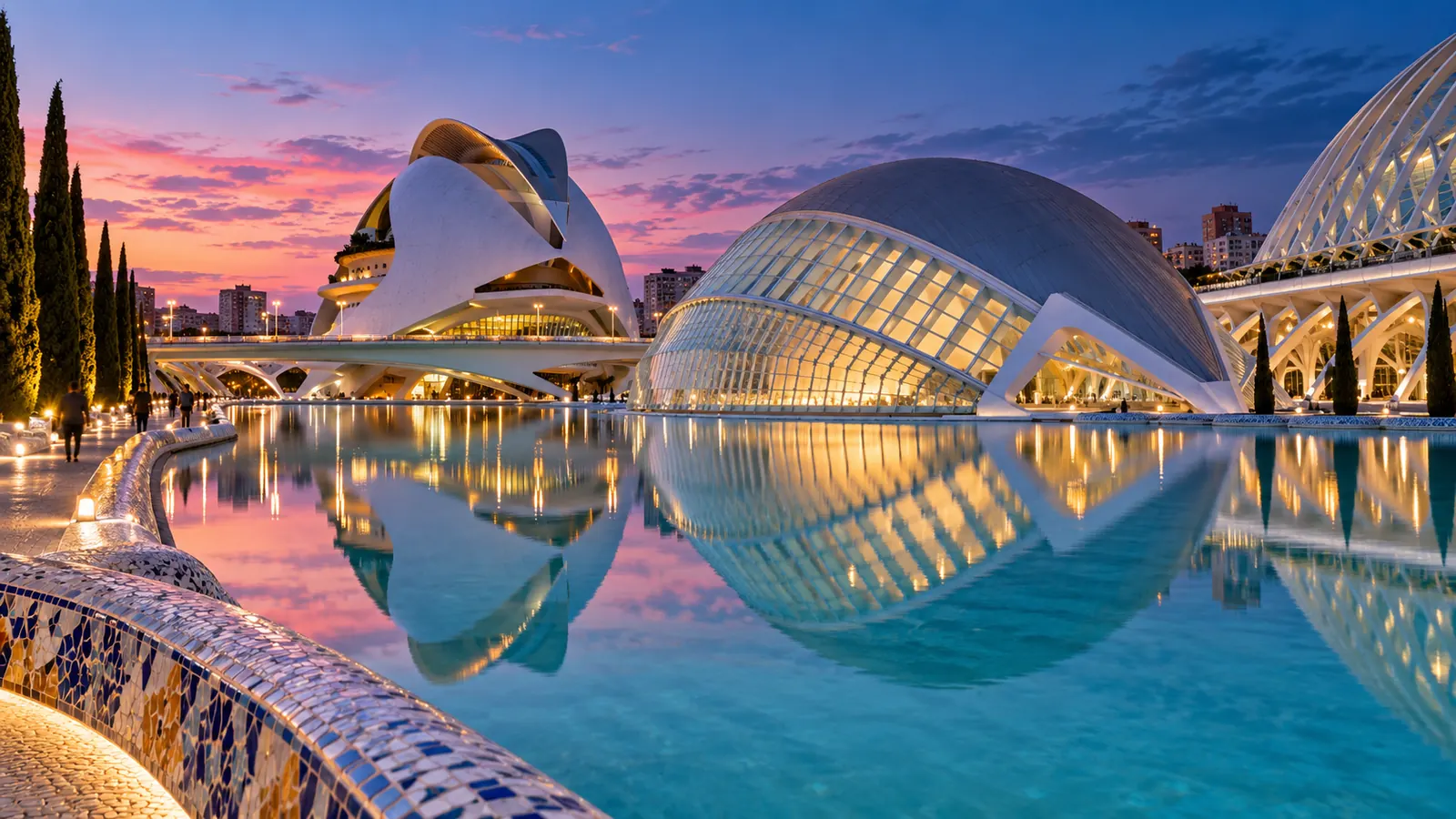
Sea, sun, a city you can cross by bike and a pace of life people don't want to leave. Here is what Valencia is, where it stands today and how its areas differ, so you can choose with your eyes open.
After Madrid and Barcelona. Big enough for everything, small enough to feel like yours.
And roughly 1.6 to 1.8 million in the metropolitan area, depending on how it is drawn.
Urban beaches in the city itself, and wilder ones to the south by the Albufera.
Short, gentle winters and long, warm summers. July and August are hot and humid.
Valencia airport is in Manises, connected to the centre by metro and taxi.
Several AVE and other high-speed services a day from Joaquín Sorolla station.
A working port and a marina, and a city that has always looked out to sea.
Population figures are approximate and change every year. Train and airport times are typical door-to-door estimates from the centre.
Valencia has grown steadily in recent years, and a large share of that growth comes from abroad: families, remote workers, retirees and people relocated by their companies.
Valencia was World Design Capital in 2022 and European Green Capital in 2024. Both titles reflect real changes: more cycle lanes, more pedestrian streets, more green space.
Renting costs more than a few years ago, and good flats at fair prices are often let in days. Landlords choose the tenant with the clearest file. This is the part where local help pays for itself.
In October 2024 a DANA storm caused severe flooding in several towns south and south-west of the city, which are still rebuilding. A practical tip for anywhere: if you look at a ground floor, a basement or a garage, check the official flood-risk maps first. I do this for every shortlist.
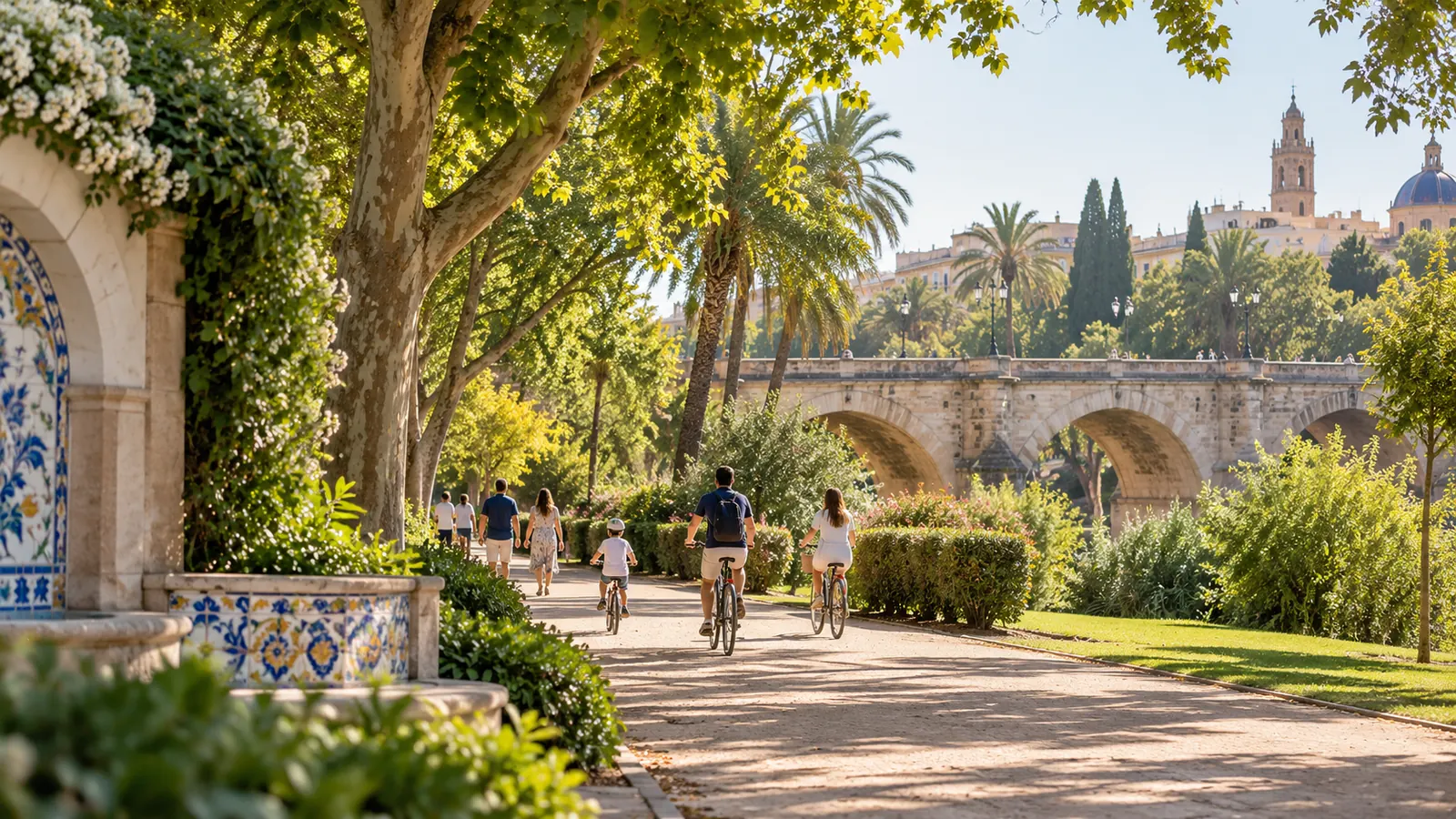
Long lunches, evening walks, terraces most of the year. The city works, but it doesn't run you over.
Most of Valencia is flat and compact. Many people stop using the car: bike, metro, tram and walking cover daily life.
An old riverbed turned into a 9 km park that crosses the city: playgrounds, running paths, sports pitches, and a green route to almost anywhere.
Malvarrosa and Las Arenas are a tram ride away. To the south, El Saler and the Albufera natural park feel a world apart.
Day to day, Valencia is generally more affordable than Madrid or Barcelona: groceries, eating out and transport. Rent is the exception to watch, which is why choosing the right area matters.
Public, concertado and private schools, including British and international schools in the north and west of the metropolitan area. A solid public health system with large hospitals such as La Fe, and plenty of private options.
You will hear English, French, Dutch, German and Spanish from across Latin America. It is easy to make friends and still feel you live in a Spanish city.
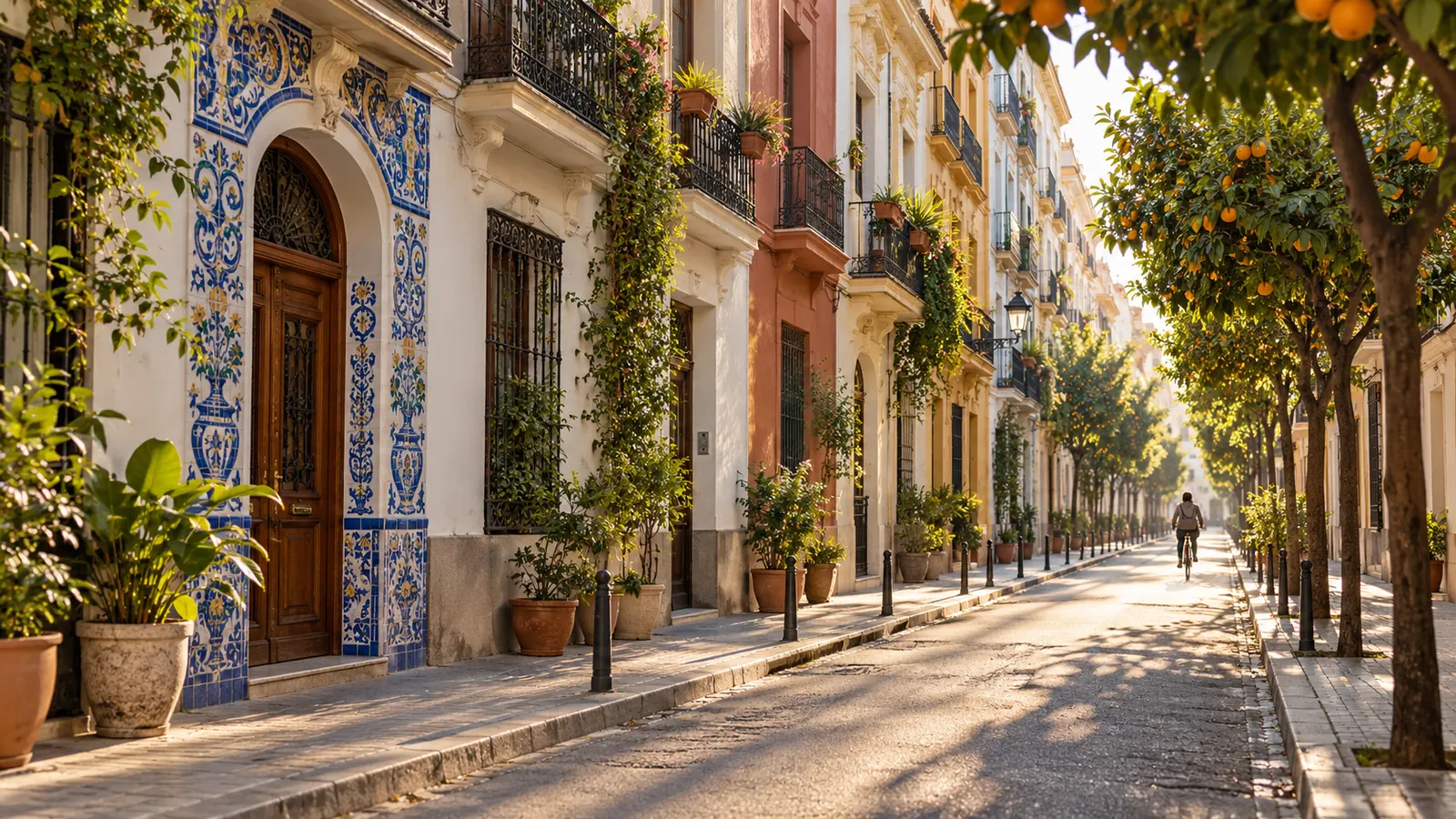
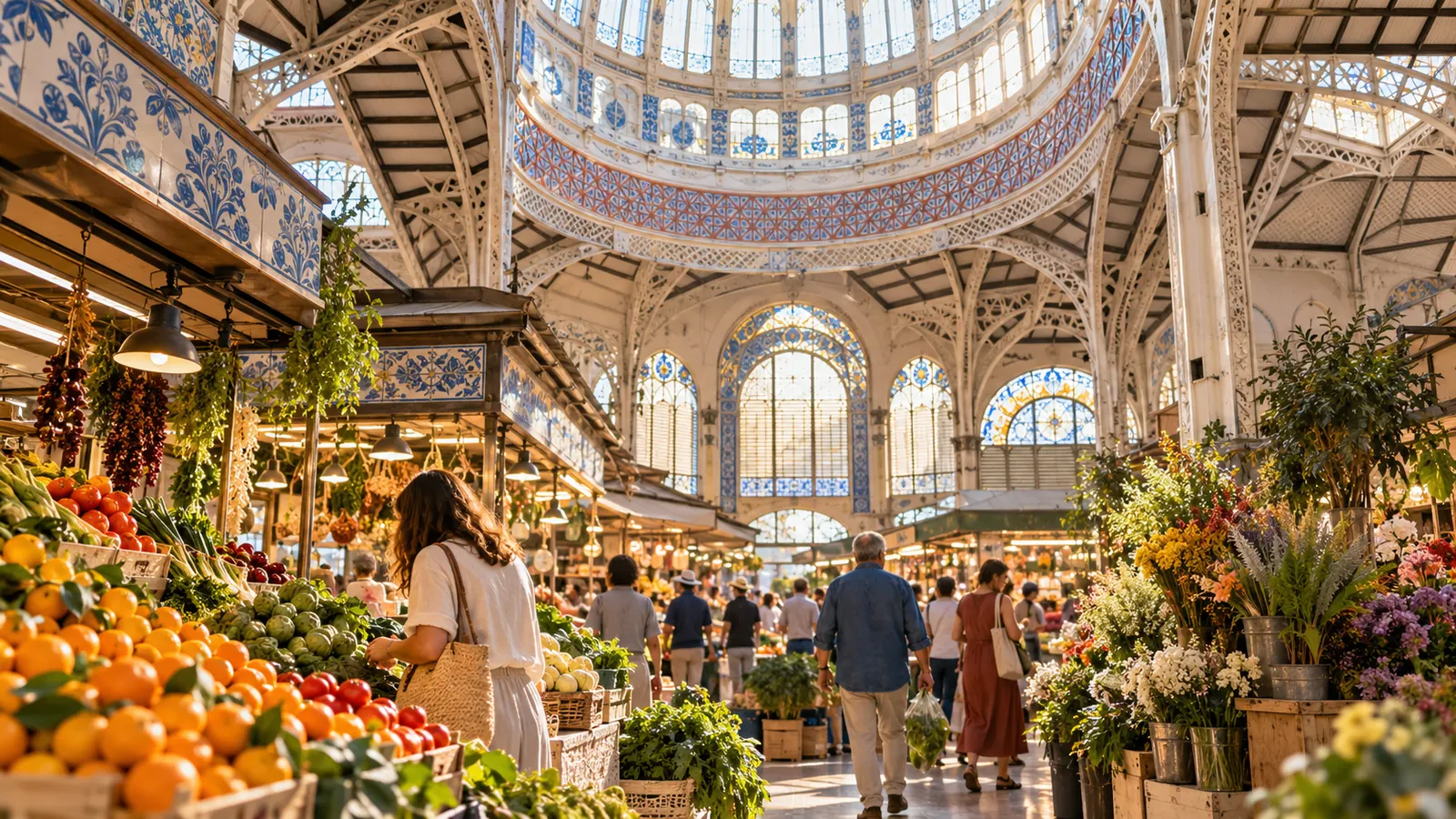
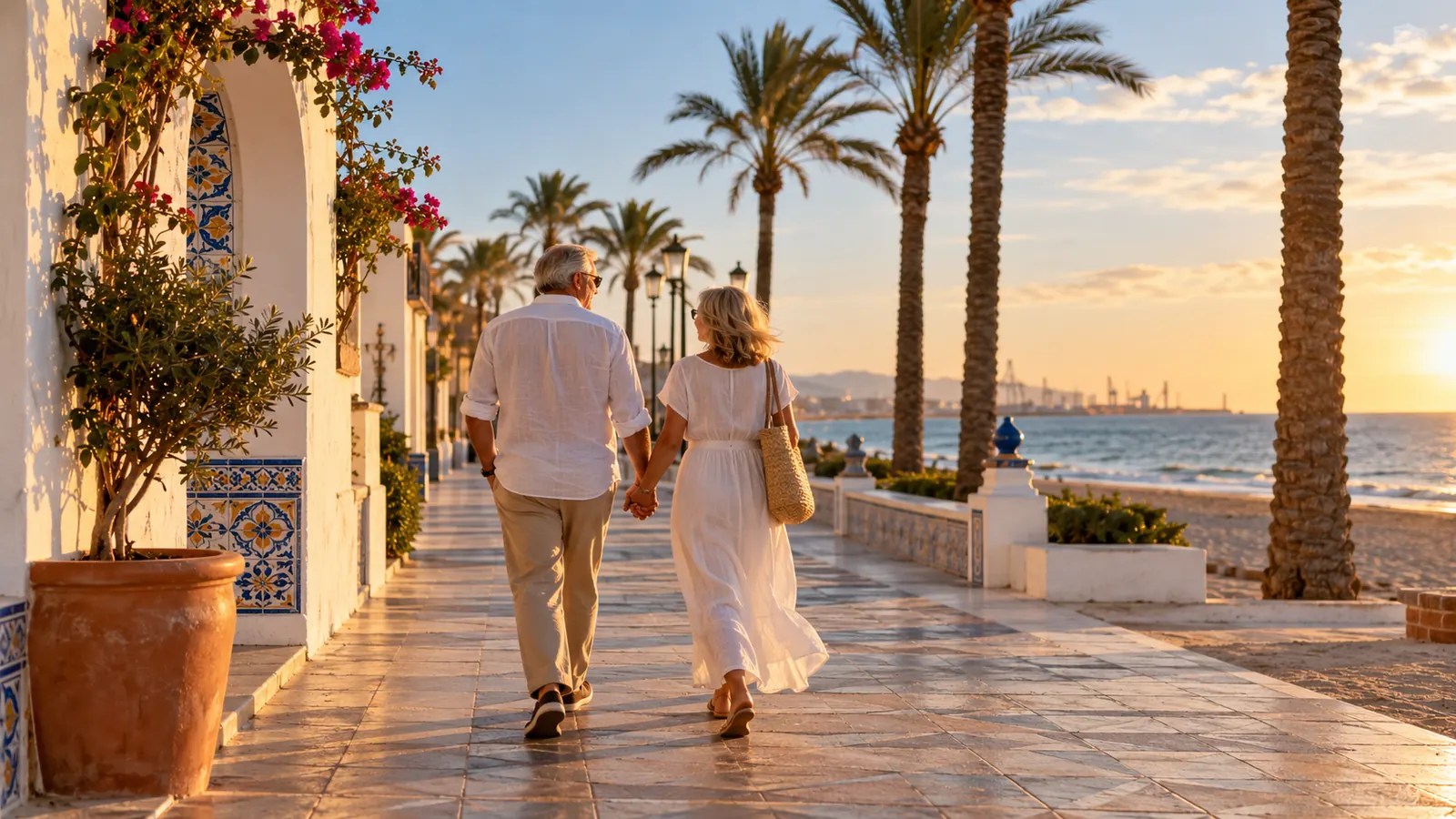
Within about 30 km you can choose between a flat in a historic street, an apartment by the sea or a house with a garden near an international school. These are the main types of area.
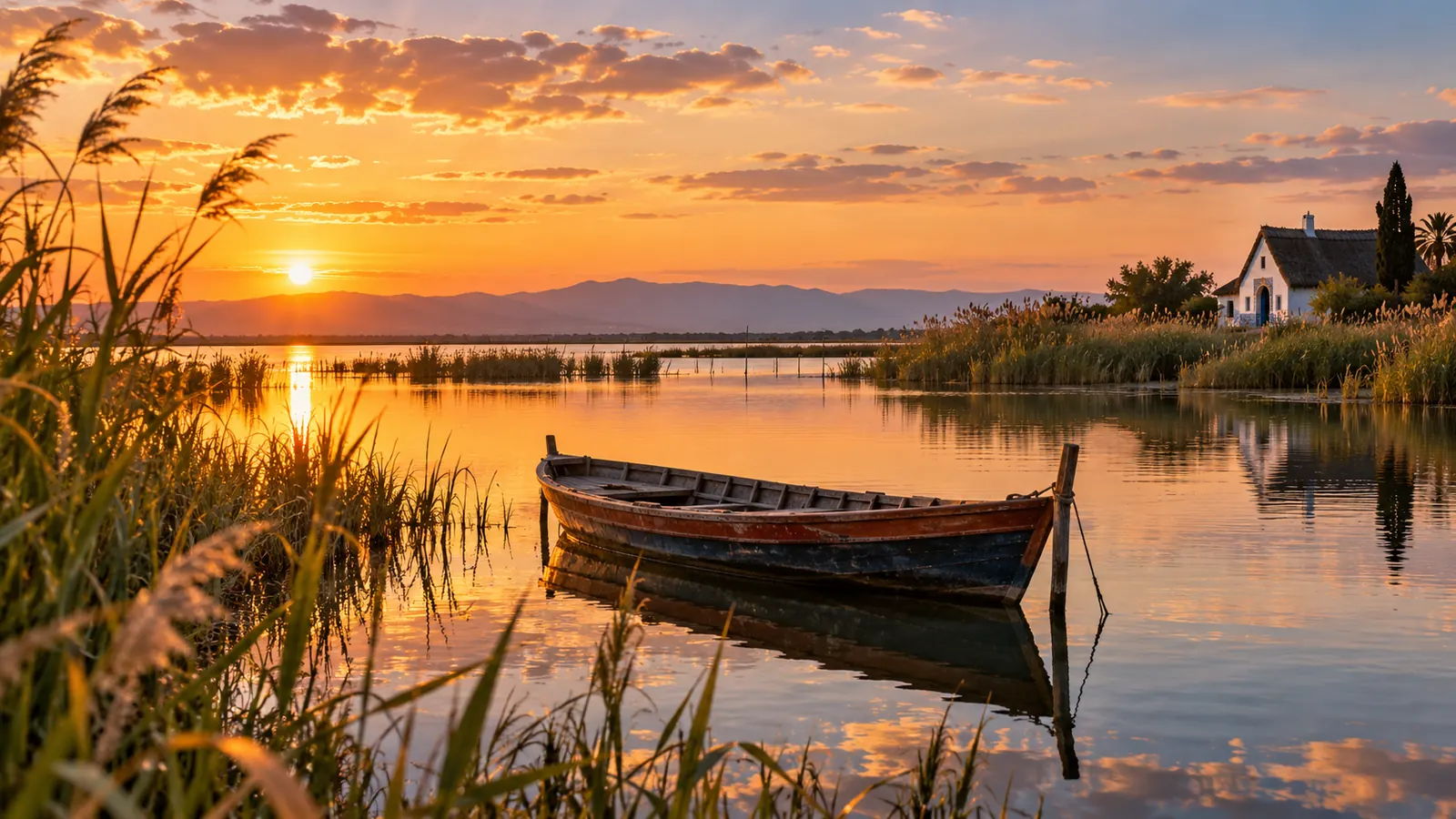
Ciutat Vella, El Carmen
Narrow streets, monuments and life on the doorstep. Beautiful and lively, with older buildings, little parking and some noise at night.
L'Eixample, Gran Vía, Ruzafa
Wide avenues and classic 19th and 20th century buildings, shops and cafés, walking distance to everything.
Pla del Real, Campanar, Benimaclet
Residential neighbourhoods by the gardens and the universities. Popular with families for parks, schools and calm.
El Cabanyal, Malvarrosa, Patacona (Alboraya)
Beach life all year. El Cabanyal is a fishermen's quarter with tiled façades; Patacona is quieter and more residential.
Alboraya, Godella, Rocafort, Bétera
Houses and low-rise flats, gardens, space, and several international schools nearby. Metro line 1 reaches Godella, Rocafort and Bétera.
Paterna, La Canyada, Burjassot
La Canyada mixes pine woods, villas and schools; Burjassot is more urban and affordable, next to the university campus.
Torrent and l'Horta Sud
More affordable towns with strong local life. Some were hit hard by the October 2024 floods: they are recovering, and I check the specific street and building with you before any decision.
Answer four quick questions and I'll suggest three areas to start from. It is a first filter: in the call I tell you which one really fits.
In the call I tell you which one really fits, with real listings and prices.
Fourteen areas of Valencia and its metropolitan area, with who they suit and how you get around.
Medieval streets, street art, the Central Market and the cathedral on your doorstep.
Cafés, a covered market and the most international street life in town.
Elegant, central and well kept, with classic buildings and high ceilings.
Calm, green and central, next to the gardens and the university area.
Newer buildings, often with pool and parking, around a village-like old core.
A former village absorbed by the city: young, local and full of character.
Around Avenida Blasco Ibáñez and the university campuses, with rooms and studios at sensible prices.
A real, unpretentious Valencian barrio with its own square and good value.
Tiled fishermen's houses, the beach at the end of the street, a growing food scene.
A quieter beach, a long promenade and newer flats, at the edge of the city.
Leafy streets, houses with gardens and several international schools nearby.
Villas, gardens and space, with international schools in the area and a golf course.
Pine woods, villas and international schools, 20 minutes from the centre.
An urban town next to the university campus, with more affordable rents.
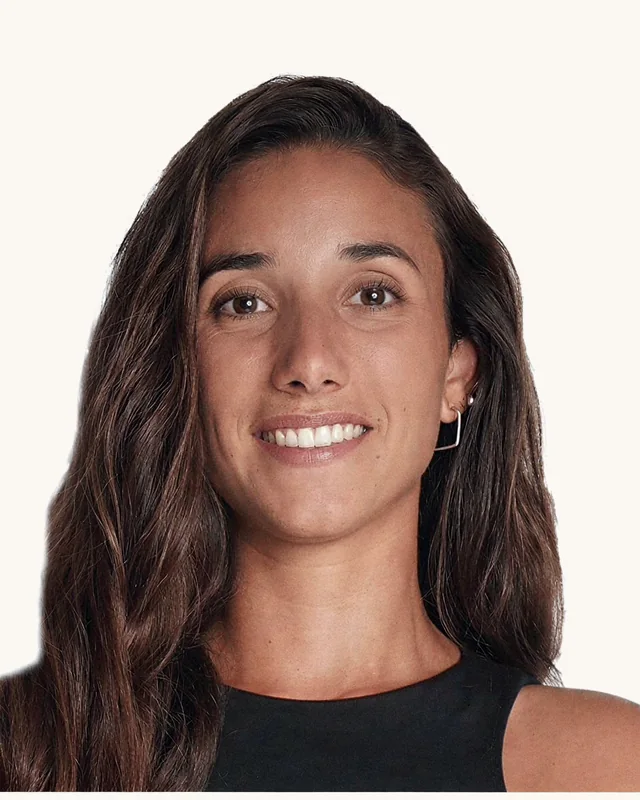
I left Argentina in 2012, lived five years in Mexico and then crossed to Spain, first Barcelona and then Valencia. Here I found the light, the sea and a pace of life I didn't want to leave. Today my children go to school here, and I help other families find their place in the city.
Tell me who is moving, when and what matters most. In 20 minutes you will know which areas fit and how the search would work.
Carolina Martina
Founder · you'll talk to me directly