
Most of the stress of a move to Spain comes from one thing: every procedure asks for a document you get from another procedure. No lease, no padrón. No padrón, no health card and no school place. No NIE, no bank account, no utilities in your name. Below is the sequence I follow with the families I help, from the months before you fly to the end of your first month in Valencia.
One thing first: I don't process visas, NIE or TIE applications. That's work for an immigration lawyer, and I'm happy to introduce you to ones I trust.
Before you fly
1. Your residence route, with a lawyer
- EU, EEA and Swiss citizens don't need a visa. If you stay longer than three months you must register as a resident and get the EU registration certificate (form EX-18). It shows your NIE number.
- Everyone else, including UK citizens since Brexit, needs a visa or permit before moving. For families the usual routes are the non-lucrative visa (passive income, no work in Spain), the digital nomad visa (remote work for clients or employers outside Spain), a work permit sponsored by a Spanish employer, and family reunification.
- Two dates to keep in mind when you read advice online: the Golden Visa closed to new applications on 3 April 2025, and a new immigration regulation has applied since 20 May 2025. Anything older may be out of date.
- Visa holders who stay more than six months must apply for the TIE (the physical residence card) within one month of arriving. Appointments for fingerprints are scarce, so ask your lawyer to plan it before you land.
2. Documents: apostilled, translated and recent
Gather the originals for every family member: passports, birth certificates, marriage certificate, criminal record certificates if your visa needs them, school reports and vaccination records for the children. Public documents from outside the EU usually need the Hague apostille (or consular legalisation if your country isn't in the convention), and anything not in Spanish needs a sworn translation by a translator appointed by Spain's Ministry of Foreign Affairs. Some procedures only accept certificates issued in the last few months, so check with your lawyer before ordering them.
3. Your solvency file
Landlords in Valencia choose between several applicants and pick the clearest file. Build it before you start looking: passports, proof of income (payslips, employment contract or employer letter, last tax return), three to six months of bank statements and a short introduction to your family. If your income is in another currency, add a one-page summary in euros. I explain what landlords ask for in renting in Valencia as a foreigner.
4. Health insurance
The non-lucrative and digital nomad visas require private health insurance with full cover in Spain. Even if you'll be entitled to public healthcare later, the health card takes a few weeks, so make sure everyone is covered from day one.
5. Children, licences and pets
- School: public and concertado places are allocated in a spring window. If you move in summer, the application happens months before. Read schools in Valencia now, not in August.
- Driving licence: check whether your country has an exchange agreement with Spain (see week 2 to 4 below). It decides whether you exchange your licence or take the Spanish test.
- Pets: microchip, rabies vaccination and the health certificate or EU pet passport your vet issues. From outside the EU, start early: the timings for the rabies vaccine are strict.
Week 1: a roof, a phone and the padrón
Temporary accommodation
Book four to six weeks in a furnished flat or aparthotel. It gives you time to view homes in person and avoids signing a long lease you haven't seen. Bear in mind that most holiday lets won't let you register your address there.
A Spanish SIM
Landlords, agencies and schools work over WhatsApp, and official appointments send codes by text. Get a Spanish number on day one: prepaid SIMs are registered with your passport.
The lease
If you didn't sign from abroad, this is the week of viewings, offers and signing. Good homes are let in a few days, so arrive with your file ready.
Empadronamiento (town-hall registration)
As soon as you have a lease, register at the Ajuntament de València, or at the town hall of your municipality if you live in Alboraya, Godella, Paterna or elsewhere. You book an appointment online and bring passports (or TIE/NIE), the lease and, for children, their birth certificates or family book. Ask for a few copies of the volante or certificado de empadronamiento: you'll need it for the health card, school, residence procedures and sometimes the bank.
Bank account
Rent and utilities are paid by direct debit from a Spanish IBAN. With your passport and NIE you can usually open an account straight away; once you have your TIE or EU certificate you can switch it to a resident account. Banks also ask for proof of income and address, so bring the lease and your solvency file.
Utilities and internet
Electricity, water, gas and fibre go into your name with your NIE and IBAN. Order the fibre the day you sign: in some buildings installation takes one or two weeks.
Weeks 2 to 4: health, school, ID and getting around
Health card (SIP)
In the Valencian Community the public health card is called SIP. You apply at the health centre (centro de salud) that corresponds to your address, with your padrón and proof that you're entitled to public healthcare. That usually means you work in Spain and pay Spanish Social Security, you hold an S1 form from another country (common for UK and EU pensioners), or you're the family member of someone who does. Non-lucrative visa holders rely on their private insurance.
School place
If you arrive outside the spring window, apply for a mid-year place through the schooling commission. You need the padrón first. The full process is in schools in Valencia.
TIE or EU registration certificate
Non-EU residents attend the police appointment for fingerprints with the EX-17 form, the fee (form 790, code 012), a passport photo and usually the padrón. The card is ready a few weeks later. EU citizens apply for the registration certificate with form EX-18. Your lawyer should tell you exactly what to bring.
Digital certificate
The FNMT digital certificate lets you do almost any procedure online: tax, traffic, Social Security, town hall. You need your NIE, an online request and a short in-person identity check. It saves hours later.
Driving licence
- EU and EEA licences stay valid in Spain.
- Countries with an exchange agreement, such as the UK and several Latin American countries, can exchange their licence at the DGT. In most cases your foreign licence is only valid for driving for six months after you become resident, so don't leave it.
- Countries without an agreement, such as the United States, can drive on their licence for those first six months and then need to pass the Spanish theory and practical tests.
Getting around
Valencia is flat and compact. EMT runs the city buses, Metrovalencia the metro and tram (lines 3 and 5 go to the airport) and Valenbisi the public bike scheme. The rechargeable SUMA card works across metro, tram and buses. Many families find they only need one car, or none.
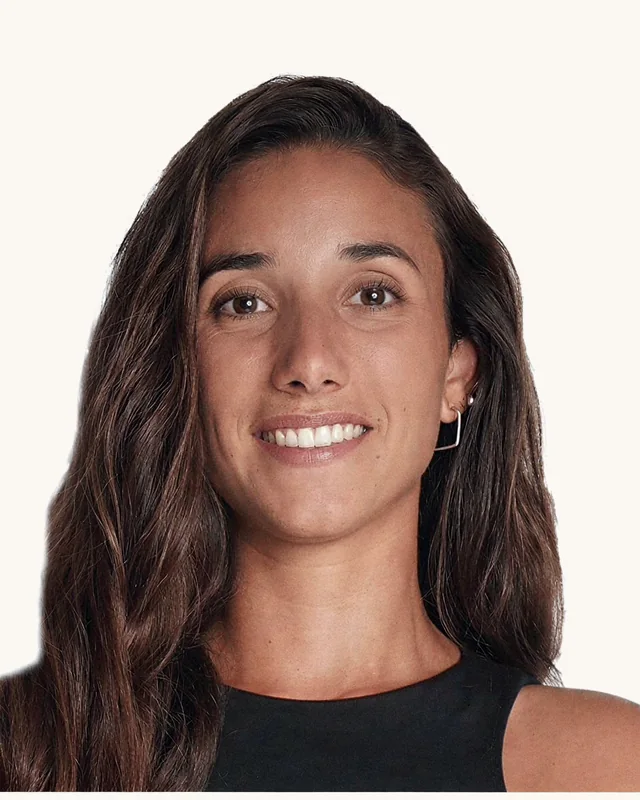
Carolina's tip. Keep one folder, on paper and in the cloud, with a PDF of every document for every family member: passports, NIE, lease, padrón, translations. In your first month you'll be asked for the same papers ten times, and the day you can't find one is the day you lose an appointment.

The whole month at a glance
| When | Task | You'll need |
|---|---|---|
| 3 to 6 months before | Visa route, documents, school research | Lawyer, apostilles, sworn translations |
| 4 to 6 weeks before | Home search and solvency file | Proof of income, bank statements |
| Week 1 | SIM, lease, padrón, bank, utilities | Passport, NIE, lease |
| Week 2 | Health card, school application | Padrón, proof of entitlement, school reports |
| Weeks 2 to 4 | TIE or EU certificate, digital certificate | Appointment, forms, fee, photos |
| Before month 6 | Licence exchange if applicable | Licence, TIE, medical certificate |
One more thing to put in your diary: tax residence. If you spend more than 183 days in Spain in a calendar year you are generally tax resident here. I don't give tax advice, so speak to a tax adviser before your first year ends.
Official sources
- Ajuntament de València: padrón and appointments (valencia.es)
- Spanish Government: immigration appointments (sede.administracionespublicas.gob.es)
- Ministry of Foreign Affairs: sworn translators and consulates (exteriores.gob.es)
- Conselleria de Sanidad: SIP health card (san.gva.es)
- Social Security (seg-social.es)
- FNMT: digital certificate (sede.fnmt.gob.es)
- DGT: driving licence exchange (dgt.es)
- Conselleria de Educación: school admission (ceice.gva.es)
- Metrovalencia (metrovalencia.es) and EMT València (emtvalencia.es)
- Spanish Tax Agency (agenciatributaria.gob.es)
Updated: October 2026. This guide is general information, not legal or tax advice. Rules and deadlines change: check the official source or ask me about your case.